STUDENT MENTAL HEALTH AND WELLBEING COLLOQUIUM
Using Social Media Analysis to Understand Neurodivergent Experiences
Dr. Marissa Tsugawa
Assistant Professor, Department
of Engineering Education
Utah State University
Abstract:
Neurodivergent (adj.), having a brain that varies from the norm in its functions or structure (e.g., autism, ADHD, bipolar, BPD, MDD, GAD). This term was introduced in the 90s but exploded online during the COVID-19 quarantine in 2020. Its popularity resulted from people staying home, facing their mental health crises, then sharing their experiences on social media platforms such as TikTok. A neurodivergent community grew in these online spaces elucidating every day, nonclinical experiences of being neurodivergent. Their growing neurodivergent community is generating new knowledge and meaning to what it means to be neurodivergent. As such, researchers and educators need to learn from that community to answer questions such as what does it mean to be a neurodivergent student? This research explores the neurodivergent experiences shared on social media platforms to align academic knowledge with the neurodivergent communal knowledge. Particularly, the goal of this research is to identify language used by neurodivergent people to describe their experiences then integrate such language into engineering education research. Natural language processing was used to analyze content from social media platforms (TikTok, Reddit, Twitter/X). Topic model, which are composed of a group of words, give nuanced understanding to neurodivergent experiences. By integrating such words into engineering education, students may have better understanding of themselves and have the words they need to explain their experiences and faculty can become more aware of neurodivergent student experiences.
Bio:
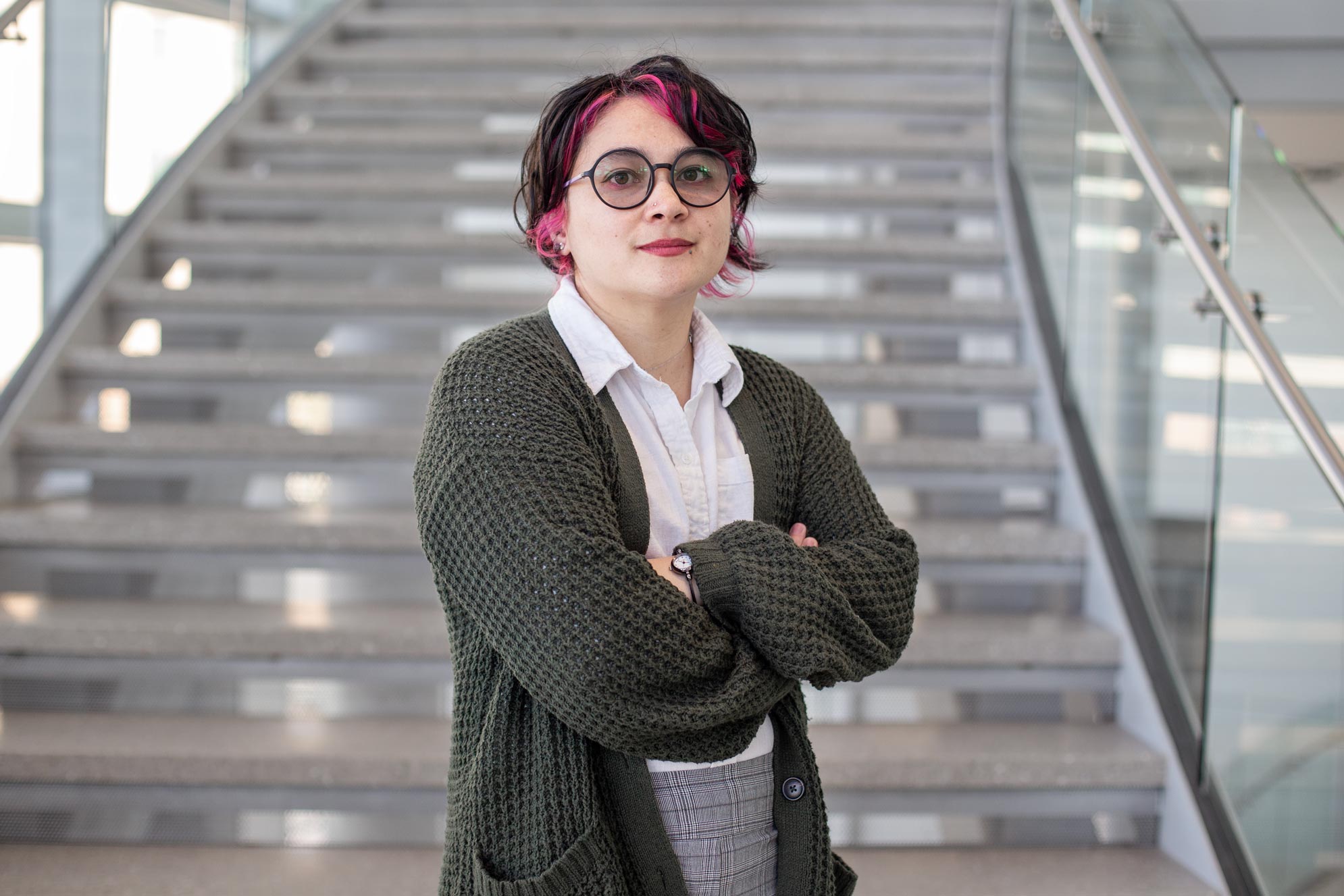
DR. MARISSA TSUGAWA is an Assistant Professor at Utah State University. They received their Doctorate at the University of Nevada, Reno specializing in Engineering Education Research and have a B.S. and M.S. in Mechanical Engineering. Tsugawa currently researches neurodivergent experiences in undergraduate engineering programs to understand how to make engineering education more accessible to and inclusive of all students. Through their NSF funded project, Tsugawa and their team used social media analysis and natural language processing to identify neurodivergent topics. The next step in the project is to collect neurodivergent engineering student narratives. Tsugawa previously researched engineering graduate student identity development and motivation in their doctoral program and experiences of women of color in engineering in their postdoctoral scholarship.
